The corrosion process of Corten steel: a unique, protective patina
Corten steel is an increasingly sought-after material, prized for its aesthetic qualities, durability and unique character. Often used in outdoor design, this type of steel stands out for its ability to develop a protective patina over time. But how does this corrosion process actually work? Let’s explore the key stages and benefits of this natural transformation.
What is Corten steel?
Corten steel, also known as weathering steel, is an alloy enriched with elements such as copper, chromium, phosphorus and nickel. This composition gives it unique properties: unlike conventional steels, it does not rust all the way through. Instead, it develops a surface layer of corrosion that acts as a protective barrier against the elements.
-
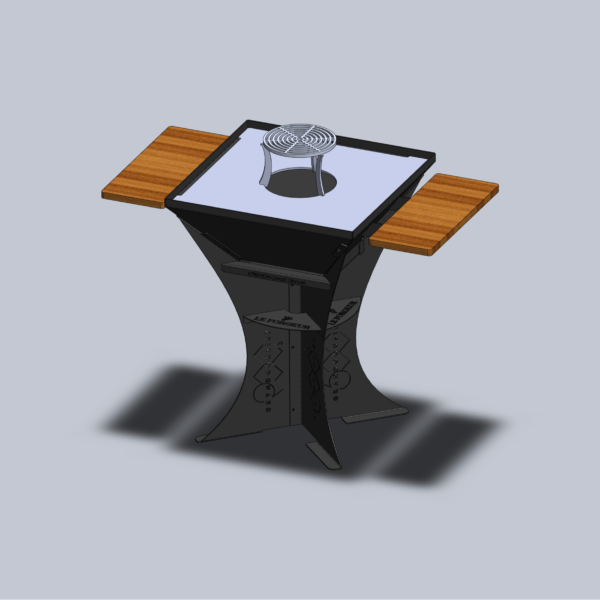
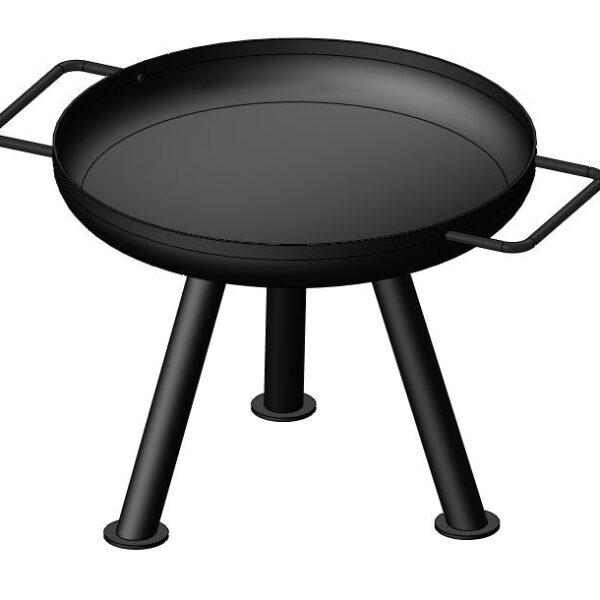 Le Forgeur 3-leg fire pit Ø 75 cm, height 60 cm
-
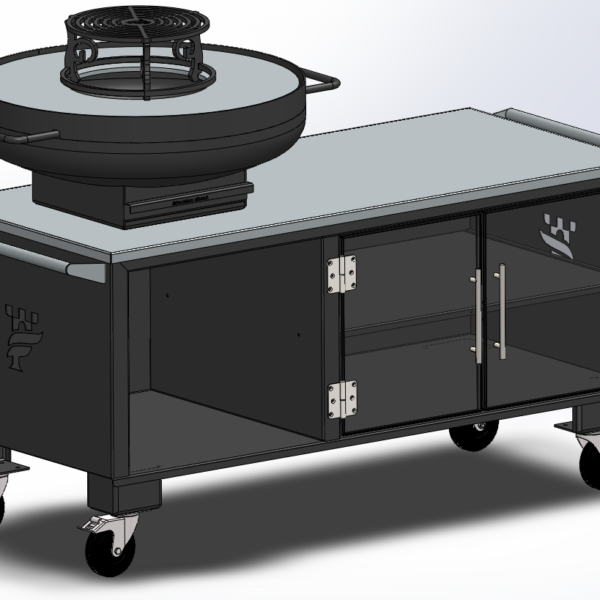
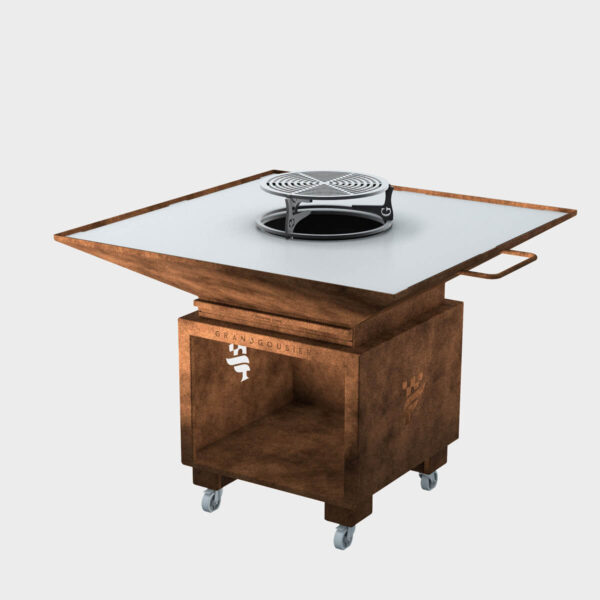 Grandgousier 1500 Square Plancha Fire Pit4690,00 €
-
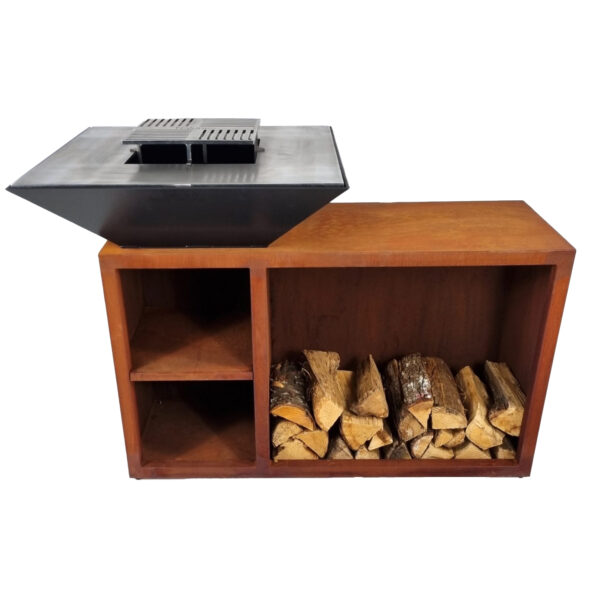
 Grandgousier 600 Square Plancha Fire Pit, 80 cm HighPrice range: 1175,00 € through 1396,00 €
The stages of the corrosion process
The corrosion process of Corten steel is a natural phenomenon that takes place over a period of around two years. Here are the main stages:
1. The first few months (1 to 3 months)
When Corten steel is first exposed to air and moisture, a thin yellow/orange layer of corrosion begins to appear. This initial phase is marked by the rapid formation of surface rust. During this period, run-off may occur, particularly onto adjacent surfaces such as wood or concrete. These stains are temporary but require particular attention if the material is installed close to delicate flooring.
2. The patina deepens (3 to 6 months)
After a few months, the corrosion layer becomes darker and harder. This change is accompanied by a significant reduction in run-off. The patina begins to stabilise and offers initial protection against the weather.
3. The protective layer consolidates (6 months to 1 year)
Over time, the colour of the steel becomes more even. The patina becomes not only more uniform but also more resistant. At this stage, the run-off has stopped and the surface is strong enough to protect the underlying metal.
4. Final maturation (1 to 2 years)
After one or two years, Corten steel reaches its final state. Its colour ranges from dark brown to reddish brown, depending on exposure and climatic conditions. Each piece is unique, with shades that depend on the exact composition of the alloy and its environment. This patina becomes a lasting barrier against water and oxygen, preventing any deep corrosion.
Why doesn’t Corten steel rust all the way through?
Unlike ordinary steels, Corten steel is designed to react with its environment. The rust patina that forms on the surface acts as an impermeable layer, preventing moisture and air from reaching the inner layers. This self-protecting process considerably reduces maintenance requirements and extends the lifespan of the material, even in harsh climatic conditions.
The advantages of Corten steel
- Exceptional durability
Thanks to its protective patina, Corten steel can withstand the weather for several decades without requiring any additional treatment. - Unique aesthetics
Every piece of Corten steel develops its own unique patina, making it a popular choice for architectural and landscaping projects. Its raw, industrial look adds a modern touch to any space. - Minimal maintenance
Unlike other materials that require regular treatment, Corten steel needs almost no maintenance once its patina has stabilised. - Environmentally friendly
Corten steel is a sustainable alternative to chemical coatings or paints, as it requires no harmful products for its protection.
A few installation tips
- Avoid temporary stains: During the first few months, install Corten steel on surfaces that will not be affected by run-off (such as gravel or lawn). If this is not possible, use a temporary protective product to limit staining.
- Ensure good ventilation: Corten steel needs exposure to the air to develop its patina. Avoid enclosed or damp environments where air circulation is limited.
- Keep an eye on adjacent surfaces: If the steel is installed near delicate materials such as wood or stone, add protection to prevent staining during the initial phase.
Conclusion: Corten steel, a living material
The corrosion process of Corten steel is a fascinating transformation that offers a unique blend of natural beauty and functionality. By developing a protective patina, this material grows stronger over time while offering a distinctive aesthetic. Whether for architectural projects, sculptures or outdoor design, Corten steel remains a durable and elegant solution for creating timeless spaces.